
Our goal for young writers is to help them become confident writers who can easily express their ideas in writing. But before they can do that, students need to understand sentences. In this series, we’ll look at six sentence-level skills that help students become more effective writers. Our next skill is using scrambled sentences to build an understanding of sentence structure.
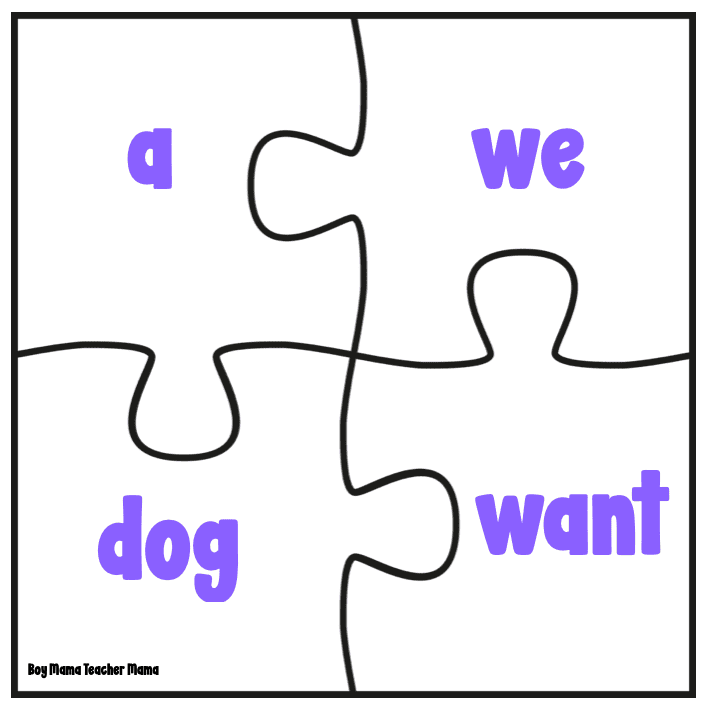
Scrambled Sentences Are Like Puzzles
Unscrambling sentences can feel more like play than learning. It’s a little like putting together a puzzle—some pieces fit easily, while others take a little longer to find their place. The same is true with scrambled sentences. Some are easy for students to put in order, while others require more thought. And when students work with a partner, figuring out where each word belongs can be especially fun.
But while students are busy solving the puzzle, there is actually a lot of learning going on.
What Do Students Learn from Scrambled Sentences?
Although unscrambling sentences may feel like a game, students are actually practicing several important sentence-level skills at once. It also gives them a chance to apply many of the skills they have already learned.
Teaching students to unscramble sentences:
✔️ develops and strengthens their understanding of what makes a complete sentence
✔️ helps them understand how word order affects meaning
✔️ reinforces capitalization and ending punctuation
✔️ when connected to a topic or subject area, deepens their understanding of the content and related vocabulary
As students unscramble sentences, they have to use several skills together. They may use a capital letter or ending punctuation as a clue, but those clues alone aren’t enough. Students also have to think about how the words fit together, what sounds right, and whether the sentence makes sense. They might recognize that a question word such as who, what, or where could signal a question, or use the ending punctuation to help determine the type of sentence they are building. In other words, they aren’t simply moving words around—they’re putting several sentence-level skills to work as they figure out how to build a complete sentence.
Introducing Scrambled Sentences
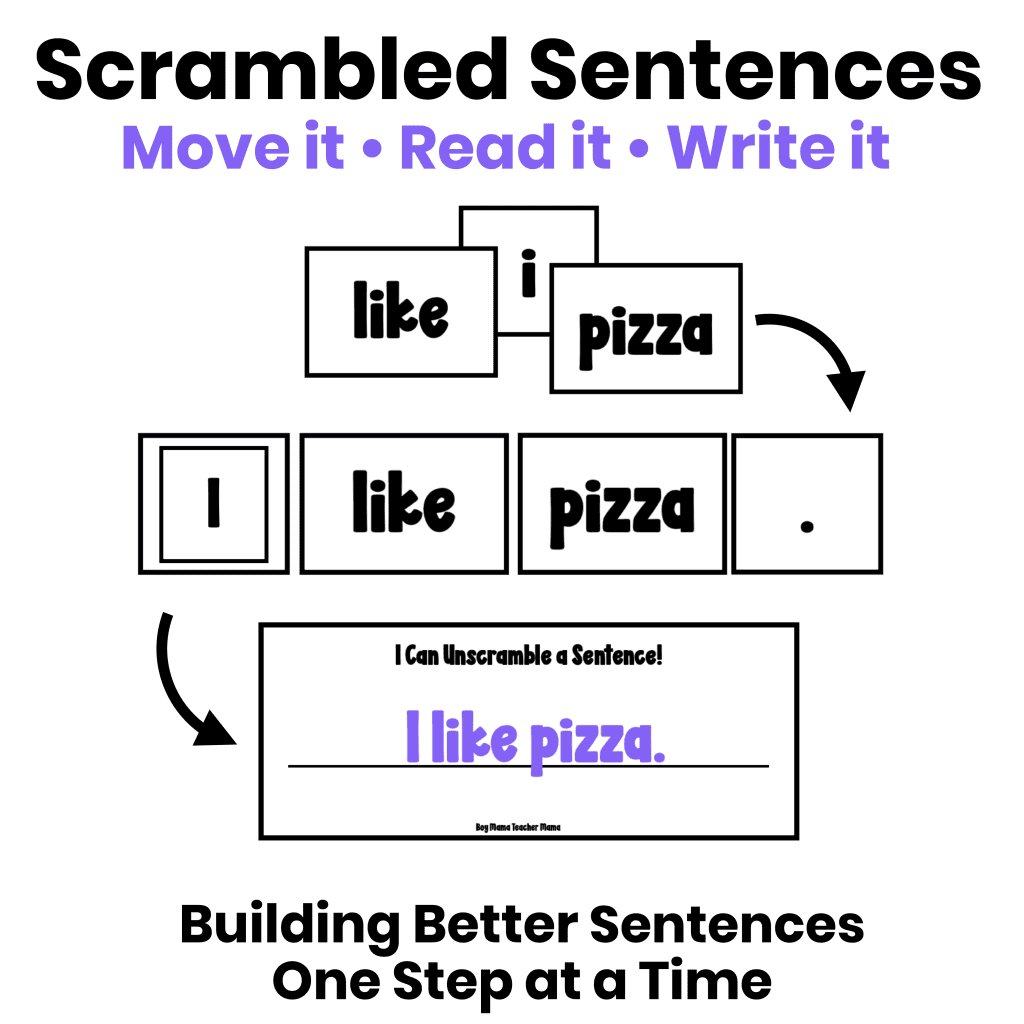
When I first introduce scrambled sentences, I usually do it as a whole group. Before the lesson, I write a simple sentence, such as “I like pizza,” on sentence strips and cut it apart so that each word is on its own piece.
Then, of course, I “accidentally” drop all the pieces on the floor! I make a big deal about how my sentence is completely messed up and ask the students to help me put it back together. I show them the words and ask what we should do first, next, and last. Together, we move the words around until our sentence makes sense.

At this point, I purposely haven’t included any ending punctuation or a capital letter at the beginning. Once we have the words in the correct order, I proudly announce that we’re done!

Inevitably, someone disagrees. “We’re not done! There’s no punctuation!” Or someone notices that the first letter needs to be uppercase. Yay! I love when I don’t have to be the one to point these things out.
We fix the capital letter, add the appropriate ending punctuation, and read our completed sentence together. Then I model how to correctly write the unscrambled sentence on the board, making sure to include the capital letter, spaces between words, and ending punctuation.
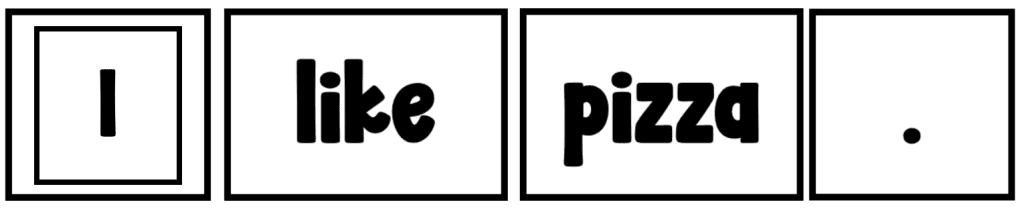
We repeat this activity with a few different sentences over the next several days before students begin unscrambling sentences in a small group or with a partner.
Moving from Group Practice to Partners
After students have had some experience—and success—unscrambling sentences as a whole group, we move on to working in small groups or with partners. By this point, students understand the process and are ready to do more of the thinking on their own.
Once students understand how unscrambling sentences works, I almost always connect the sentences to something we are learning about in class. If we’re learning about the moon, our scrambled sentences might include facts about the moon. If we’re working on number bonds in math, the sentences might be about number bonds.
This is one of my favorite things about scrambled sentences. Students are practicing sentence structure while also reinforcing content and vocabulary they are learning in other subjects. One simple activity can do double duty!
It’s also important not to limit scrambled sentences to statements. We unscramble questions, exclamations, and commands, too. Using all four types of sentences gives students continued practice with how different sentences are structured and choosing the appropriate ending punctuation. It also reinforces what they have already learned about the different types of sentences.
I usually choose about six to eight sentences to use during a session. I write each sentence on a sentence strip, cut the words apart, and place all the pieces for that sentence in an envelope. I also include the capital letter on a separate strip, along with the ending punctuation, as you can see in the image below.
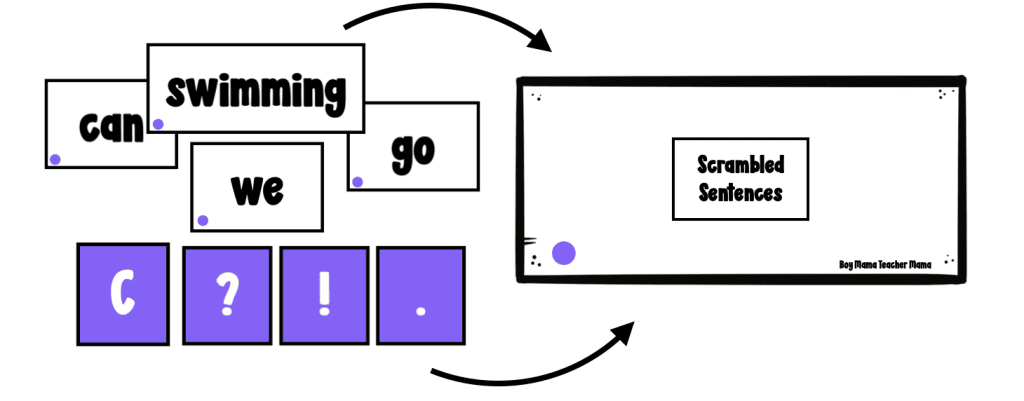
I always color-code the sentence pieces and their matching envelope—just in case things get mixed up! For example, I might put a small purple dot in the corner of every word from one sentence and a purple dot on the envelope where those pieces belong. Then I use a different color for each new sentence.

The color coding is also an easy way to move students through the activity. I can tell them which color to work on next, and students can easily keep track of which sentences they have already completed so they don’t accidentally repeat one.
Unscrambling Sentences Around the Room
Once everything is prepped, I place the sentence envelopes around the room and divide students into small groups. Each group starts at a different sentence and works together to unscramble it.
When they think they have the sentence in the correct order, they check it with me. Once it’s correct, they put all the pieces back into the envelope and move on to another sentence.
And I always remind them not to move too quickly—you don’t want to arrive at the next sentence before the group ahead of you has put it away and get a sneak peek at the answer!
The color-coded envelopes make it easy for students to keep track of which sentences they’ve already completed and which ones they still need to visit.
When to Add the Writing
You may have noticed that I haven’t mentioned having students write the sentences after they unscramble them. That’s intentional. When students are first learning how to unscramble sentences, I want them focused on figuring out the correct word order and building a complete sentence—not on writing it down.
Once students are comfortable with the process, I add a writing component. After they successfully unscramble a sentence, they write the complete sentence, remembering to use a capital letter, spaces between words, and the correct ending punctuation.
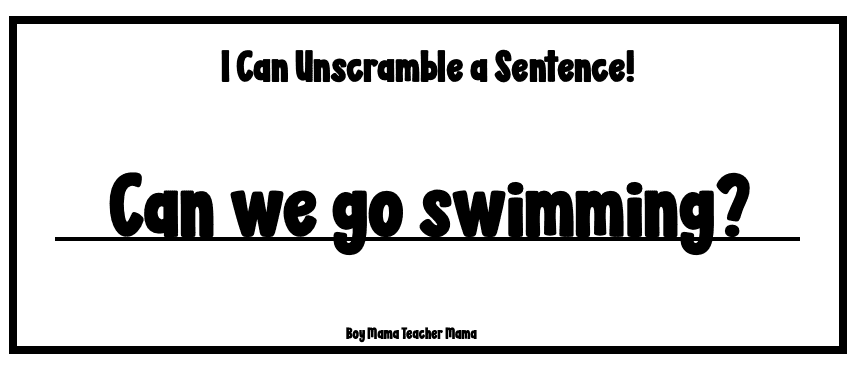
Later in the year, I may even include the completed sentence as an answer key so students can check their own work. At that point, the activity becomes much more independent: unscramble the sentence, check it, write it correctly, and move on.
FREE Independent Scrambled Sentence Activity
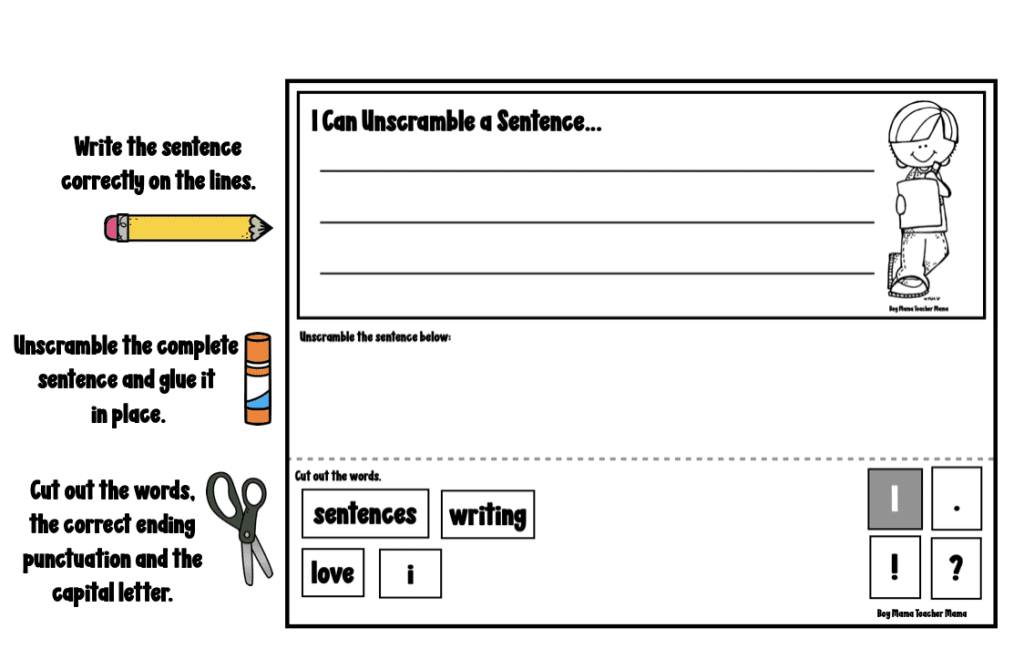
Ready for students to try unscrambling sentences on their own? This FREE activity gives students a chance to put the words in order, choose the correct ending punctuation, and write the completed sentence correctly.
Students cut apart the words, unscramble the sentence, and then record the completed sentence on the lines provided.
💚 Grab the FREE Scrambled Sentence Activity
Let Students Create the Scrambled Sentences
The final step comes much later in the school year, when I have students create their own scrambled sentences for their classmates to solve.
Students begin by writing a complete sentence and checking it with me. Once the sentence is ready, they cut it apart into individual words, mix up the pieces, and pass them to a classmate to unscramble.
My students LOVE this! There is something especially fun about creating a puzzle for a friend to solve. And, of course, there is plenty of learning happening along the way. Before students can scramble a sentence for someone else, they have to create a complete sentence themselves and think about all the pieces that make that sentence work.
Ready-to-Use Scrambled Sentence Activities
Want ready-to-use activities for teaching and practicing scrambled sentences? Try one of these:
Scrambled Sentences Sentence-Level Skills Activities
Give students additional practice unscrambling sentences while reinforcing word order, capitalization, punctuation, and complete sentence structure.
💚 Grab the Scrambled Sentences Activities on TpT
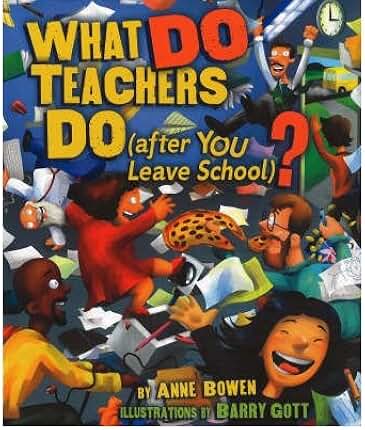
Scrambled Sentences with What Do Teachers Do After You Leave School?
This is a great place to begin when first introducing scrambled sentences using the book What Do Teachers Do After You Leave School. Students practice putting words in the correct order to create complete sentences while working with a familiar, fun book connection.
💚 Grab Scrambled Sentences with What Do Teachers Do After You Leave School? on TpT
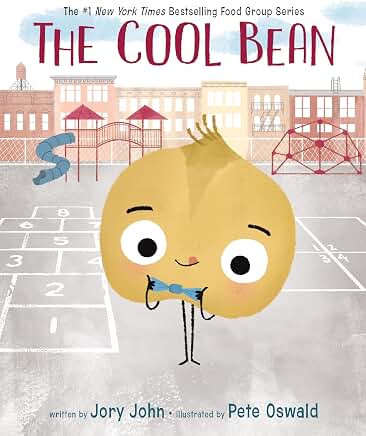
Scrambled Sentences with The Cool Bean
Pair The Cool Bean with scrambled sentence practice as students put words in the correct order to create complete sentences.
💚 Grab Scrambled Sentences with The Cool Bean on TpT
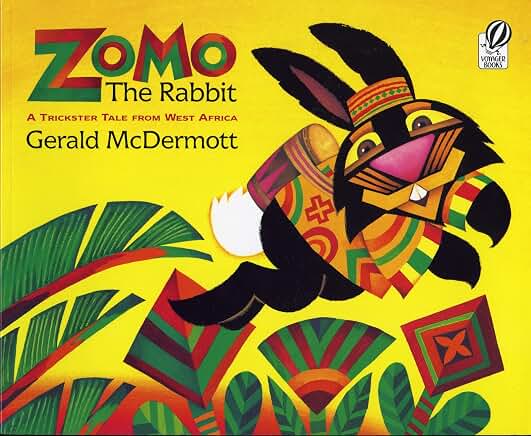
Scrambled Sentences with Zomo the Rabbit
Use Zomo the Rabbit as another opportunity for students to practice unscrambling words and building complete sentences while connecting their writing to the story.
💚 Grab Scrambled Sentences with Zomo the Rabbit on TpT
More Scrambled Sentence Fun
Once students understand how to unscramble sentences, it’s easy to change up the content throughout the year. These seasonal scrambled sentence activities give students more practice with the same sentence-level skills using familiar holiday and winter themes.
Reindeer Scrambled Sentences
Practice building complete sentences with reindeer-themed scrambled sentences—perfect for adding a little seasonal fun to sentence writing practice.
💚 Grab Reindeer Scrambled Sentences on TpT
Snowman Scrambled Sentences
Keep practicing sentence structure during the winter months with scrambled sentences all about snowmen.
💚 Grab Snowman Scrambled Sentences on TpT
Gingerbread Man Scrambled Sentences
Connect scrambled sentence practice to familiar gingerbread stories as students put words in order to build complete sentences.
💚 Grab Gingerbread Man Scrambled Sentences on TpT
Building Writers One Step at a Time
Unscrambling sentences gives students a chance to put many of the skills they have already learned to work. They have to think about word order, complete sentences, capitalization, punctuation, and sentence types—all while figuring out how the pieces fit together.
Give students plenty of opportunities to unscramble sentences together before expecting them to do it independently. Start simple, add writing when they’re ready, and eventually let them create scrambled sentences of their own. What feels like a puzzle is actually helping students become stronger, more thoughtful sentence writers.

If this is your first time visiting Boy Mama Teacher Mama, welcome!
Did you know that you can also find us on Facebook, Instagram, Pinterest, and Teachers Pay Teachers?
© Boy Mama Teacher Mama 2026
All Rights Reserved