


Color Recognition Activities
📝 This post, Color Recognition Games, was originally published in 2012 and has been updated with new information and resources.
When my oldest son was three years old, I was convinced something was wrong—he didn’t know his colors! As both a teacher and a mom, I should have known better, but it’s funny how those two sides of me didn’t always communicate very well. The teacher in me knew children develop at their own pace, while the mom in me couldn’t help but worry.
When I mentioned it to his preschool teacher, she smiled and said, “Don’t worry. He’ll learn them when he’s ready.” Of course, she was right.
A few years later, my younger son went through the very same thing. For the longest time, nearly every color was “blue.” Then one day, almost overnight, he began naming colors correctly. Looking back, I realize that learning colors isn’t something we can rush. Children simply need lots of opportunities to hear, see, and use color words during everyday play.
If you’re wondering when your child will learn colors—or you’re looking for fun ways to help—you’ve come to the right place!
When Do Children Learn Their Colors?
Color recognition develops gradually. While every child learns at their own pace, most children begin recognizing and naming colors between the ages of 2 and 4., but correctly naming them often takes a little longer. It’s completely normal for young children to confuse colors or call everything by one favorite color while they’re learning. Rather than worrying that they’re behind, focus on making color words a natural part of everyday life. Talk about the colors you see while reading books, getting dressed, preparing meals, or taking a walk outside. The more children hear color words used naturally, the easier it becomes for them to make those connections.
One Simple Tip for Teaching Colors
One of the best pieces of advice I ever received was to describe the object using the color rather than simply asking children to identify it. Instead of repeatedly asking, “What color is this?” try naturally describing the world around them. Say things like, “The balloon is red,” “Your shirt is blue,” or “Look at that yellow flower!” Hearing color words used in everyday conversation helps children connect those words with real objects instead of memorizing colors in isolation.
This advice is actually backed by research. A fascinating article in Scientific American explains that young children often learn color words more easily when we say, “The balloon is red,” rather than “the red balloon.” This small change helps children understand that red describes a property of the balloon instead of sounding like part of its name. If you’d like to learn more, I highly recommend reading Why Johnny Can’t Name His Colors.
Easy Color Recognition Activities
The best way to help children learn colors and build color recognition is through play. These simple activities fit easily into everyday routines and help children practice recognizing and naming colors without feeling like they’re doing schoolwork.
Make a Color Die
Create a simple color die by coloring each side of a paper cube a different color. You’ll use it in many of the activities below.
Color Catch
Have your child roll the color die, say the color aloud, and race to touch something in the room that matches. It’s simple, active, and always a hit.
LEGO Color Sort
Using LEGO bricks or any colorful building blocks, have your child roll the color die and find one block that matches. To make it more challenging, add a number die. If your child rolls blue and four, they collect four blue blocks.
Beanbag Color Toss
Place several pieces of colored construction paper on the floor. Have your child toss a beanbag and name the color where it lands.
Color Grab Bag
Fill a paper lunch bag with colorful blocks or small toys. Without looking, your child reaches inside, pulls one out, and names its color. To extend the activity, place matching pieces of colored construction paper on the table and have your child sort each object onto the correct color.
Color Hunt
Choose a color—or roll the color die—and challenge your child to find objects around the house that match. As they bring each item back, naturally use the color word in conversation. “You found a yellow crayon!” or “That’s a blue sock!”
Color Hop
Spread pieces of colored construction paper across the floor. Call out a color and have your child jump to the matching paper. It’s a wonderful way to combine movement with learning.
Toy Car Color Sort
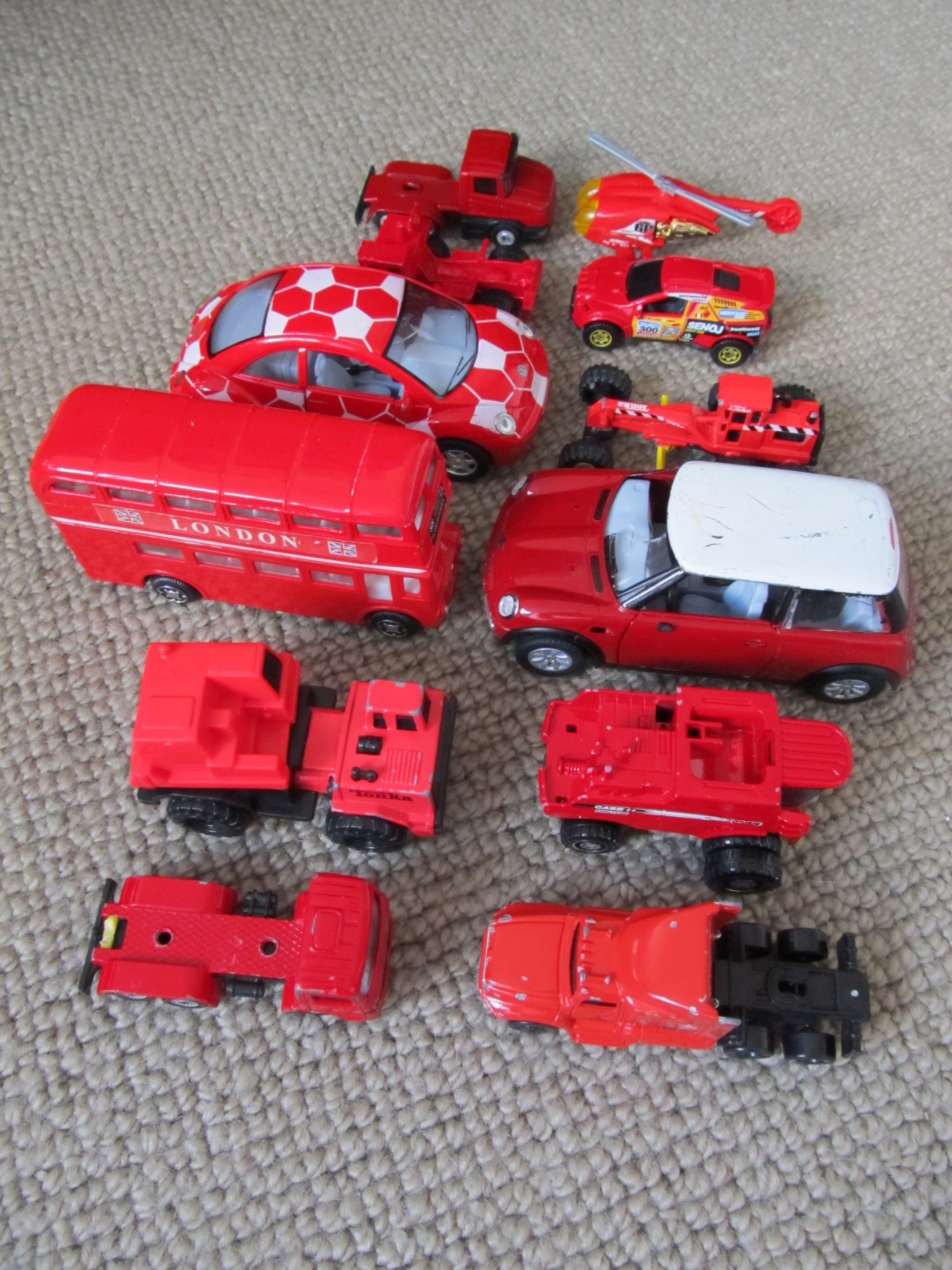
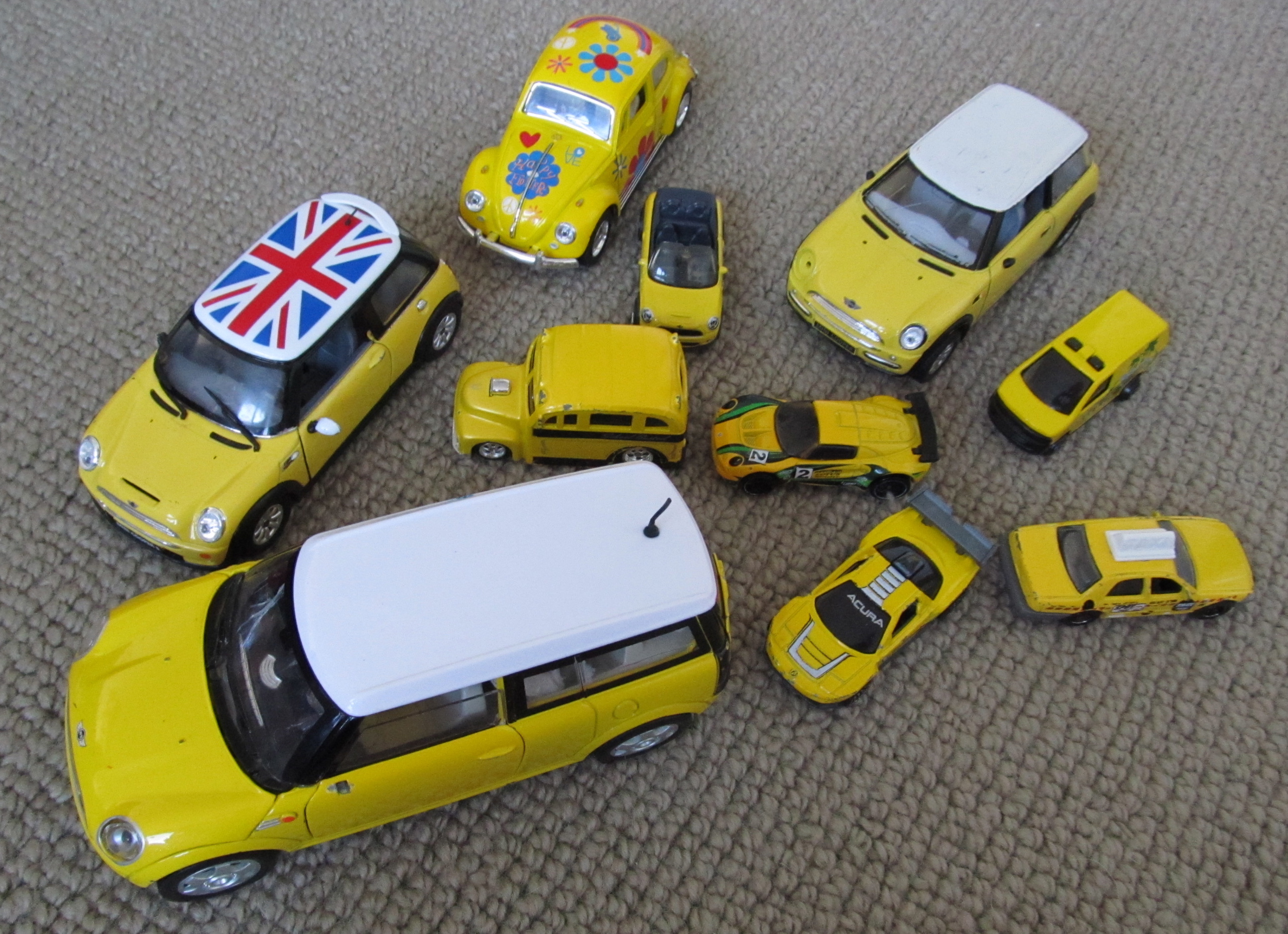
If your child loves toy cars like my boys did, this activity is always a winner. Have them sort their cars by color or create parking lots filled with only red cars, blue cars, or green cars. My youngest could have happily built parking lots for hours.
Sort Everyday Objects
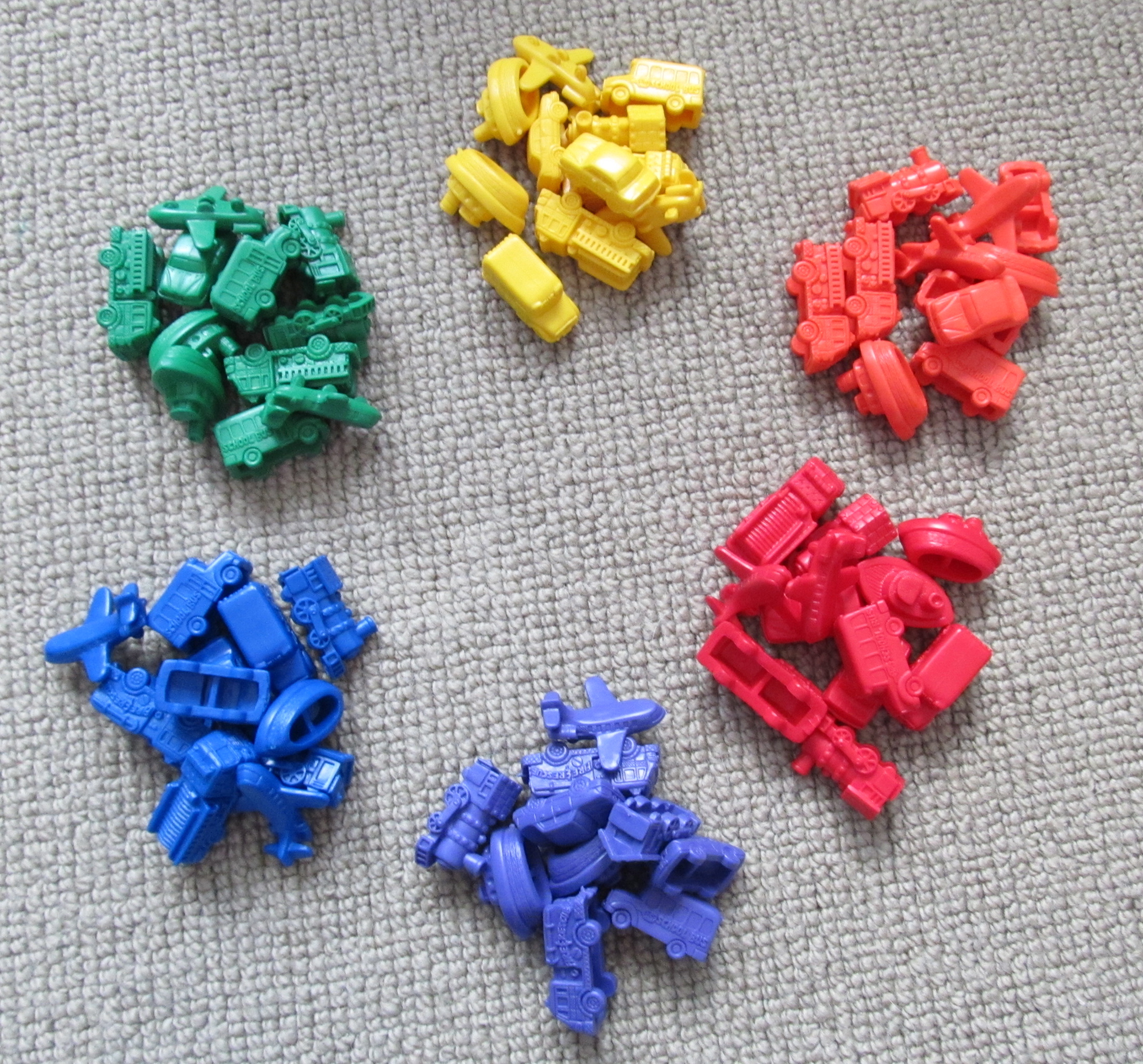
Almost anything around the house can become a color sorting activity. Gather socks, crayons, markers, blocks, buttons, pom-poms, or any colorful objects you have on hand. As your child sorts them by color, encourage them to say each color aloud and continue using color words naturally throughout the activity.
More Fun Ways to Practice Color Recognition
Learning colors and developing color recognition doesn’t have to happen at a table. Some of the best learning happens during everyday activities.
Color Lunch
Choose one color and build an entire lunch or snack around it. A red lunch might include strawberries, watermelon, cherry tomatoes, and a peanut butter and jelly sandwich. It’s a fun way to reinforce colors while making mealtime a little more exciting.
Dress in One Color
Challenge your child to wear as much of one color as possible for the day. If everyone in the family joins in, even better! You’ll naturally find yourselves talking about colors all day long.
Go on a Color Walk
Take a walk around your neighborhood or visit a nearby park with several small squares of colored paper. Encourage your child to find something that matches each color, whether it’s a flower, a leaf, a playground slide, or a parked car.
Car Color Game
Whether you’re waiting in the school pickup line or sitting on the front porch, passing cars provide an easy opportunity to practice colors. Younger children can simply name the colors they see, while older children can choose one color and count how many cars of that color drive by.
Free Color Word Cards
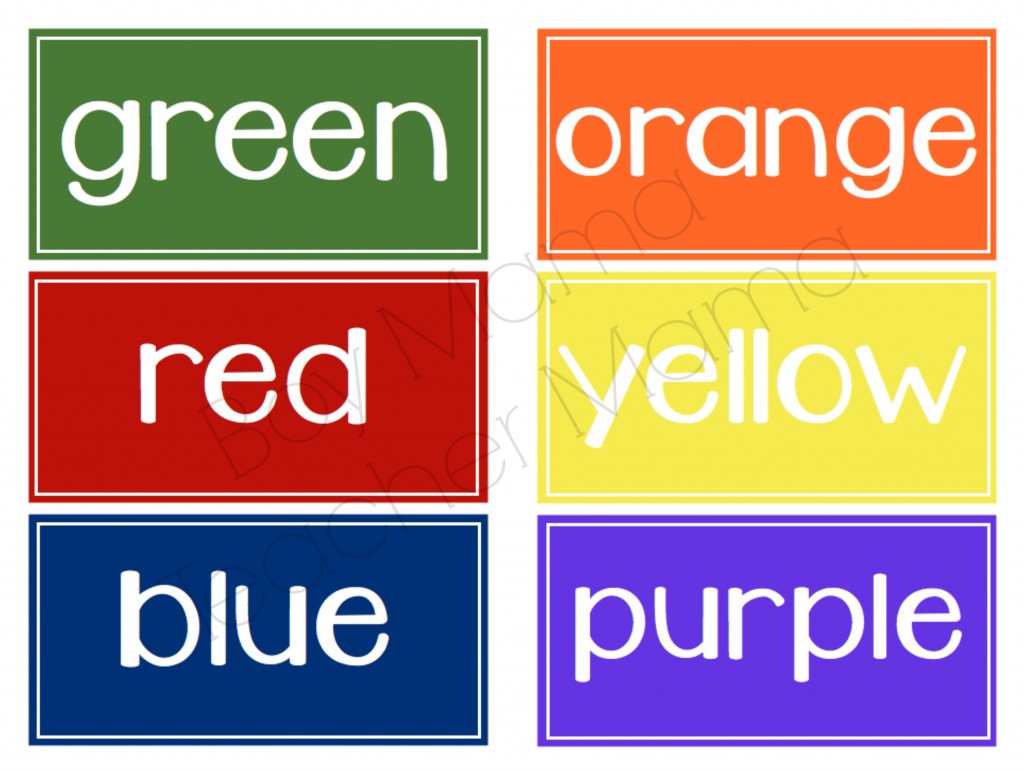
💚 Grab the FREE Printable Color Word Cards to use as a classroom display, word wall, or color recognition activity. Keep them on a bulletin board, in your writing center, or use them as visual reminders during the activities below.
Wrapping Up
Looking back now, I’m so glad my son’s preschool teacher reminded me not to worry. As teachers, we know children develop at different rates, but somehow it’s much harder to remember that when it’s our own child. If your little one isn’t naming colors or recognizing them consistently yet, don’t panic. Keep talking, playing, and pointing out the colorful world around you. Before you know it, they’ll be proudly telling you that the sky is blue, the grass is green, and yes…they’ll finally stop calling everything blue.

If this is your first time visiting Boy Mama Teacher Mama, welcome!
Did you know that you can also find us on Facebook, Instagram, Pinterest, and Teachers Pay Teachers?
© Boy Mama Teacher Mama 2026
All Rights Reserved

Pingback: Book Mama: Books about Colors | Boy Mama Teacher Mama
Thanks for linking this lovely idea to Tuesday Tots. I have featured it this week 🙂
Thanks Debs!!! Always appreciated!
Love sorting our cars by color here!
Pinned it!
It’s as if you can read my mind! 😉 thanks for all the great tips!
Let me know how they go!