
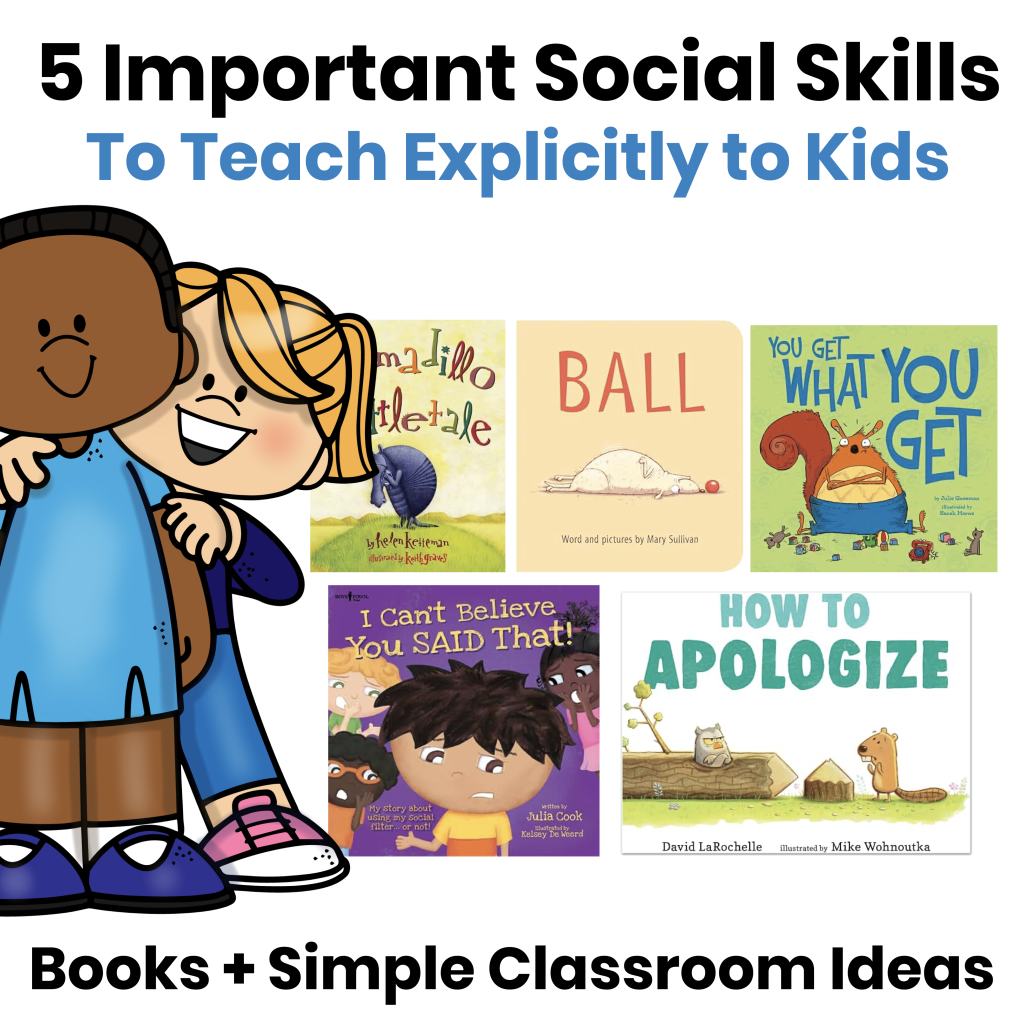
Important Social Skills in the Classroom
Teaching social skills is so important when children are little. If we can help them develop these skills when they’re young, they have so much more to build on as they get older.
Over the years, I’ve often thought that teaching social skills can sometimes be even more important than teaching math or writing! That may not be a popular sentiment, but there have been plenty of times in my classroom when social issues got so in the way that learning simply couldn’t happen.
Because of that, we spend a lot of time on social skills in my classroom, especially at the beginning of the year. Taking the time to teach and practice these skills lays a solid foundation for all the learning we do throughout the year.
We use all kinds of activities—role-playing, group discussions, practice pages, and plenty of real-life conversations—but my very favorite way to begin teaching a social skill is with a good book.
Tattling vs. Telling
I’m sure there isn’t a single elementary school teacher out there who doesn’t believe that tattling is a huge part of the elementary school experience! It can take up so much space in a day and can create feelings of frustration and distrust among students.
The tricky part is that young children don’t always understand the difference between tattling and telling. They need to learn when a problem is something they can handle on their own and when it’s something an adult really needs to know about.
So what does that difference actually look like? Here are a few simple examples we talk about:
This is TELLING — always speak up!
👍🏼 Someone is hitting or hurting another person
👍🏼 Someone is doing something dangerous
👍🏼 Someone is sick or injured
This is TATTLING — try to handle it yourself!
👎🏼 Someone cut in line
👎🏼 Someone is not sharing
👎🏼 Someone made a face at you
Over the years, I’ve tried so many different strategies for dealing with tattling—from Tattle Boxes and Tattle Notebooks to Tattle Phones, and even simply trying to ignore it! But what turned out to be the most effective strategy was teaching students the difference between tattling and telling and empowering them to make appropriate choices when problems arise.
As with any new social skill, I like to begin with a good book. There are so many wonderful books about tattling out there, but my all-time favorite is Armadillo Tattletale. I love this book because it is super simple and funny, but it also does a great job of showing what tattling looks like and the problems it can cause.
Learning the difference between tattling and telling takes time and practice. Check out the full post for more ideas and books to help students understand when to handle a problem themselves and when they need to tell an adult.
💚 Easy Ways to Teach Tattling vs Telling: Books and Activities
How to Apologize
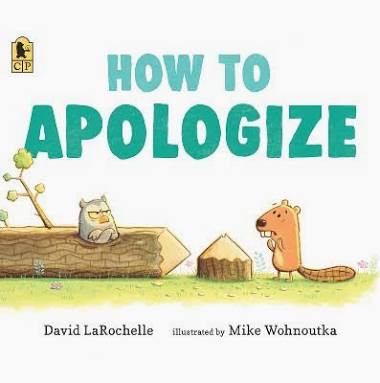
Apologizing is HARD! It’s hard for adults, and it’s hard for kids, yet we often expect children to magically know HOW to apologize. Quite frankly, most people don’t really know how to apologize in a way that feels genuine.
.When teaching students how to apologize, I love the book How to Apologize. This book lays out exactly how to apologize in a way that is sincere and uncomplicated. Some of the most important takeaways are:
🩷 Keep apologies simple
🩷 Be sincere
🩷 Avoid making excuses
🩷 Fix the mistake—if possible
But apologizing takes practice! We cannot simply read a book and then expect students to know how to apologize—and do it well. Giving students opportunities to talk through different situations and practice what they might say helps them put what they’ve learned into action.
Learning how to apologize takes time and plenty of practice. Check out the full post for more ideas and activities to help students practice giving sincere and uncomplicated apologies.
💚 How to Apologize for Kids: Easy SEL Activities.
Using Your Social Filter
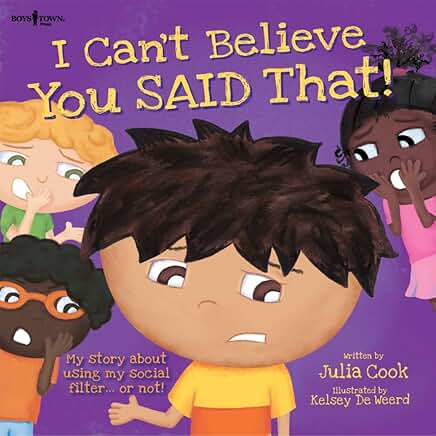
This is such a powerful lesson for students, and I really could not teach it without Julia Cook’s book, I Can’t Believe You Said That! In this book, Cook introduces the idea of a social filter. We all have this filter in our heads, but we need to learn how it works and practice using it.
Thoughts pop into our thinking bubble and, ideally, pass through our social filter. The filter helps us decide whether a thought is okay to say aloud or whether it should stay in our thinking bubble. If it makes it through the filter, it’s probably okay to say. If it doesn’t, we either keep the thought to ourselves or find a different way to say it.
For example, a student sees a classmate wearing a new coat and doesn’t like it. The thought, “That coat is ugly,” begins in the thinking bubble. As it reaches the social filter, the filter says, “Nope, you can’t say that!” Now the student has two choices: stop and say nothing or find a different way to say what they’re thinking.
Instead, the student might say something like, “Wow, you got a new coat!” or “That coat looks warm and cozy.” The student is no longer judging the coat but is finding something they can say without being hurtful.
There is so much more you can do to help students understand and practice using their social filter. Check out the full post for more ideas and activities for teaching this concept.
💚 Think Before You Speak: Using Your Social Filter
Teaching Tone of Voice
Have you ever heard someone say something and wanted to cringe at the tone of their voice? It happens ALL the time in every part of life, and it happens a lot in the classroom—and when students are talking to their parents!
I had one group of students who were particularly guilty of this. The way they snapped at each other—and at me—made me crazy, so I knew I had to do something about it. I had to find a book!
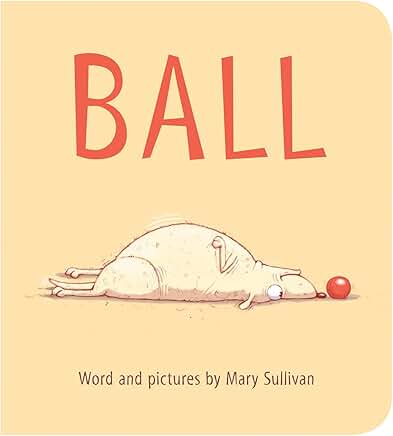
I couldn’t find a book that specifically taught students about tone of voice, but I did find several books that gave us the opportunity to practice using different tones. My favorite was the almost wordless book Ball. The entire book has just one word—“ball”—but as you look at the illustrations, you quickly realize that you have to say that one word differently on almost every page.
For example, when the dog drops the ball at her owner’s feet and says, “Ball,” she’s really asking, “Will you play ball with me?” Later, as she watches her ball roll away down the driveway and says, “Ball!” she’s really saying, “Help! My ball is rolling away!”
As we read through the book, we practiced different ways to say the word “ball.” It was actually pretty funny, and we had some good laughs! Then we expanded the lesson to words like “no,” “hi,” and “stop.” We tried saying them in a mean voice, then a silly voice, and even a robotic voice to really hear how our tone can change the meaning of our words.
There are so many fun ways to help students hear and practice different tones of voice. Check out the full post for more books and activities for exploring how the way we say something can change its meaning.
💚 Teaching Tone of Voice with Picture Books
Handling Disappointment
Have you heard the phrase, “You get what you get, and you don’t throw a fit”? I seriously had never heard it until one day I heard a little girl say it to a classmate who was disappointed with the popsicle flavor she got.
Absolute. Genius.
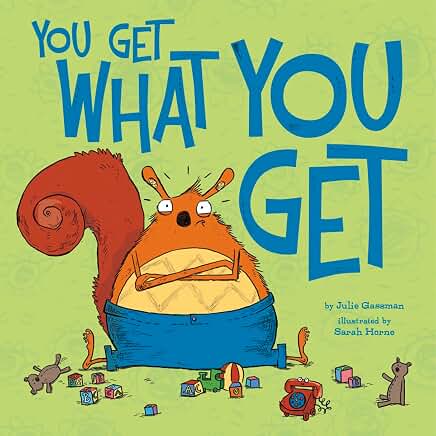
Whoever coined that phrase—thank you, because it became a staple in my classroom! Then I discovered the book You Get What You Get about a squirrel named Melvin who throws fits whenever he is disappointed and has to learn how to handle those feelings.
After reading the book together, we talked about different scenarios where disappointment can happen, such as wanting to go first in line or wanting a turkey sandwich instead of the ham your mom packed you. We brainstormed ways to handle disappointment ourselves and talked about how we can help others when they are disappointed. Finally, we role-played some of these scenarios so that when they came up in real life, students already had some experience and a common language for handling them.
Want to try this lesson with your students? I put together discussion cards, real-life scenarios, and writing activities to help students practice handling disappointment and think about how they can help a friend who is disappointed, too.
💚 Grab You Get What You Get on TPT
Wrapping Up Important Social Skills
Teaching social skills takes time, practice, and lots of repetition. Kids aren’t going to get it right every time—and that’s okay! But giving them the words, strategies, and opportunities to practice gives them something to fall back on when those tricky situations come up in real life.
And sometimes, it all starts with a really good book. 💚

If this is your first time visiting Boy Mama Teacher Mama, welcome!
Did you know that you can also find us on Facebook, Instagram, Pinterest, and Teachers Pay Teachers?
© Boy Mama Teacher Mama 2026
All Rights Reserved